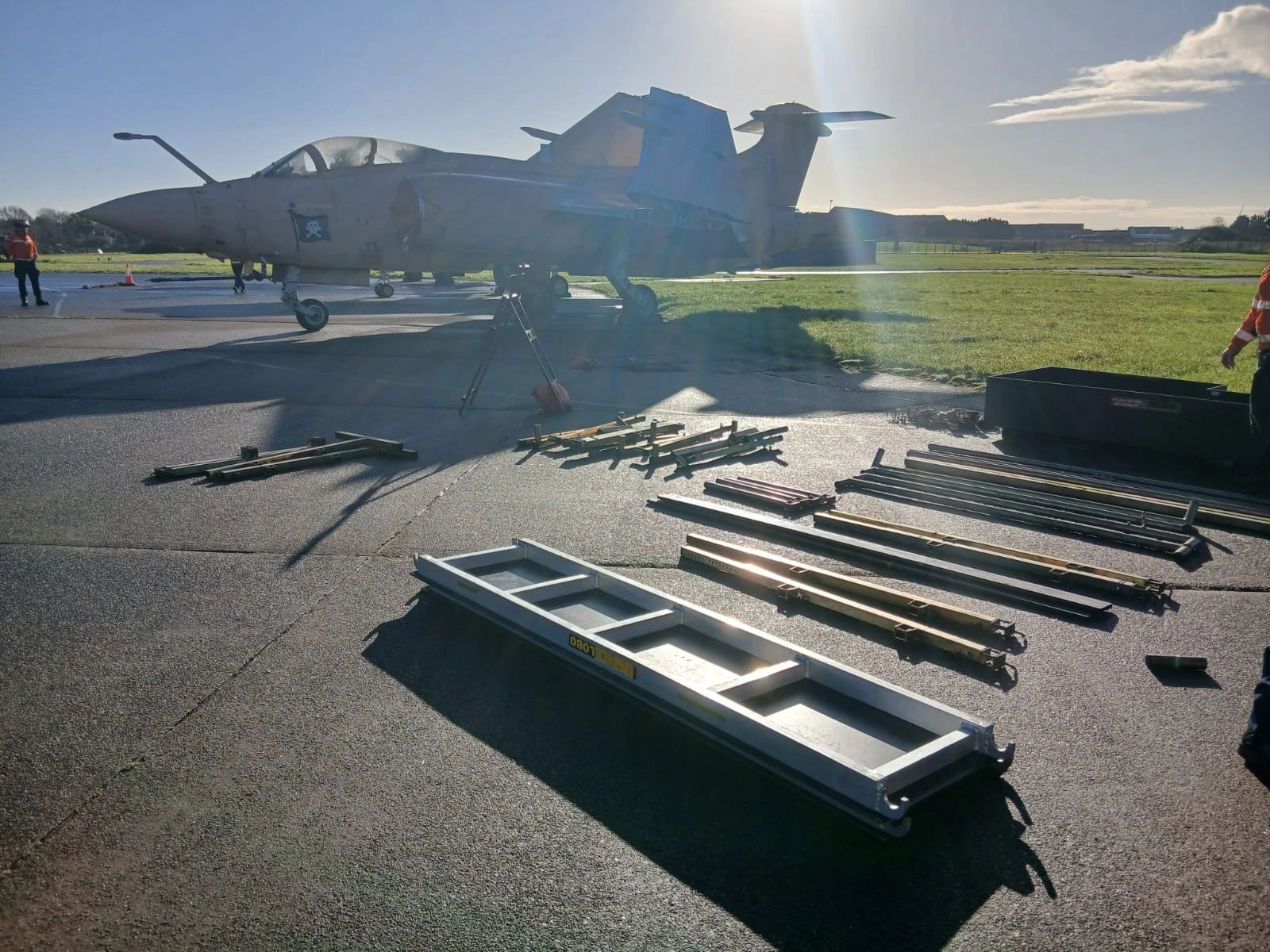
The South Wales Aviation Museum (SWAM) welcomed the Wales Urban Search and Rescue (USAR) team at the beginning of December for a comprehensive joint training exercise designed to strengthen response capabilities in the event of an aircraft-related incident.
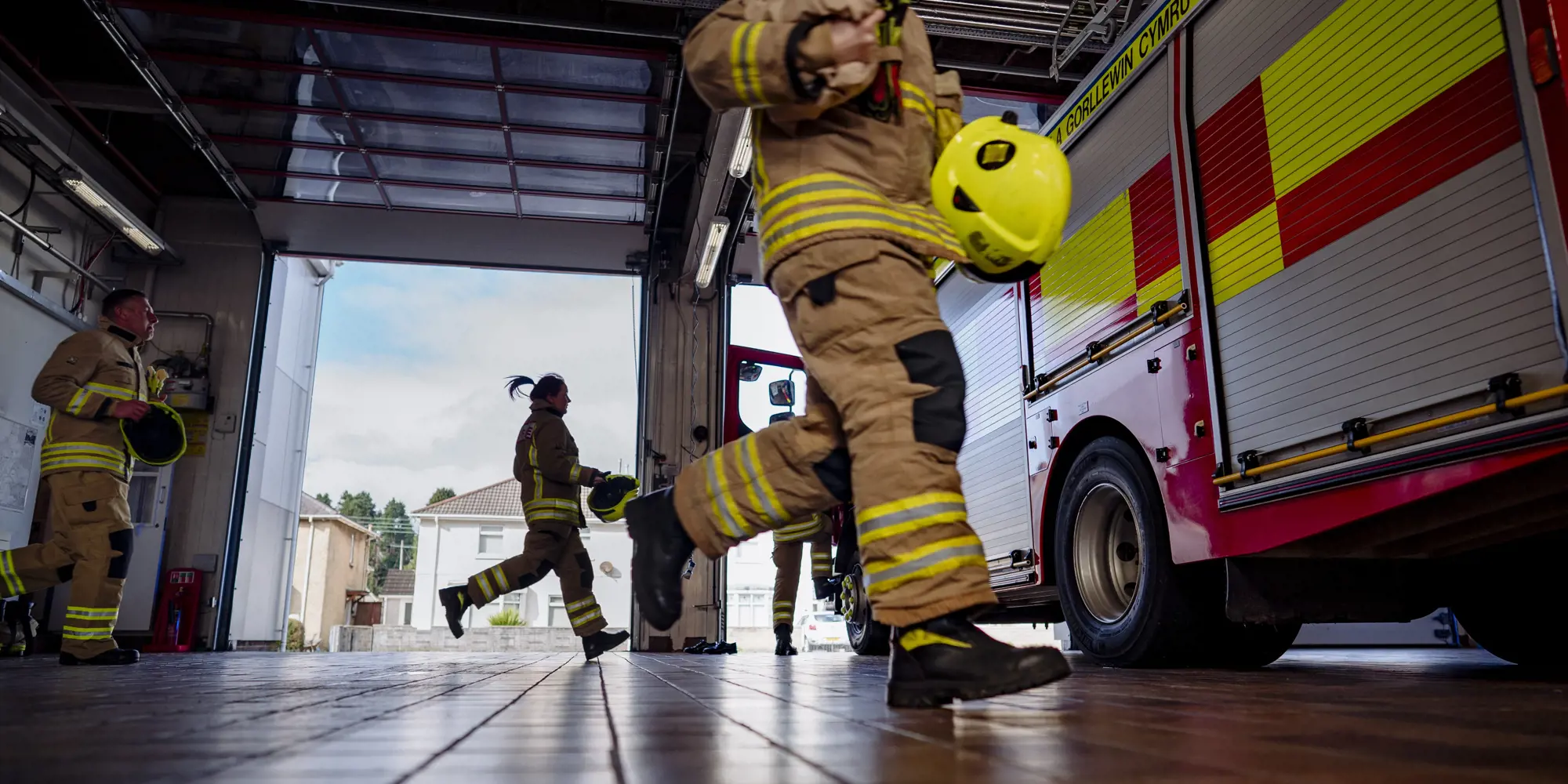
The Wales USAR Team, a joint specialist capability from all three Welsh fire and rescue services, brings highly trained personnel, search dogs, drones, and heavy rescue equipment to respond 24/7 to major incidents in support of national resilience and international aid.
Museum experts provided guidance about the hazards associated with both civilian and military aircraft, sharing operational knowledge that cannot be replicated in standard training environments.
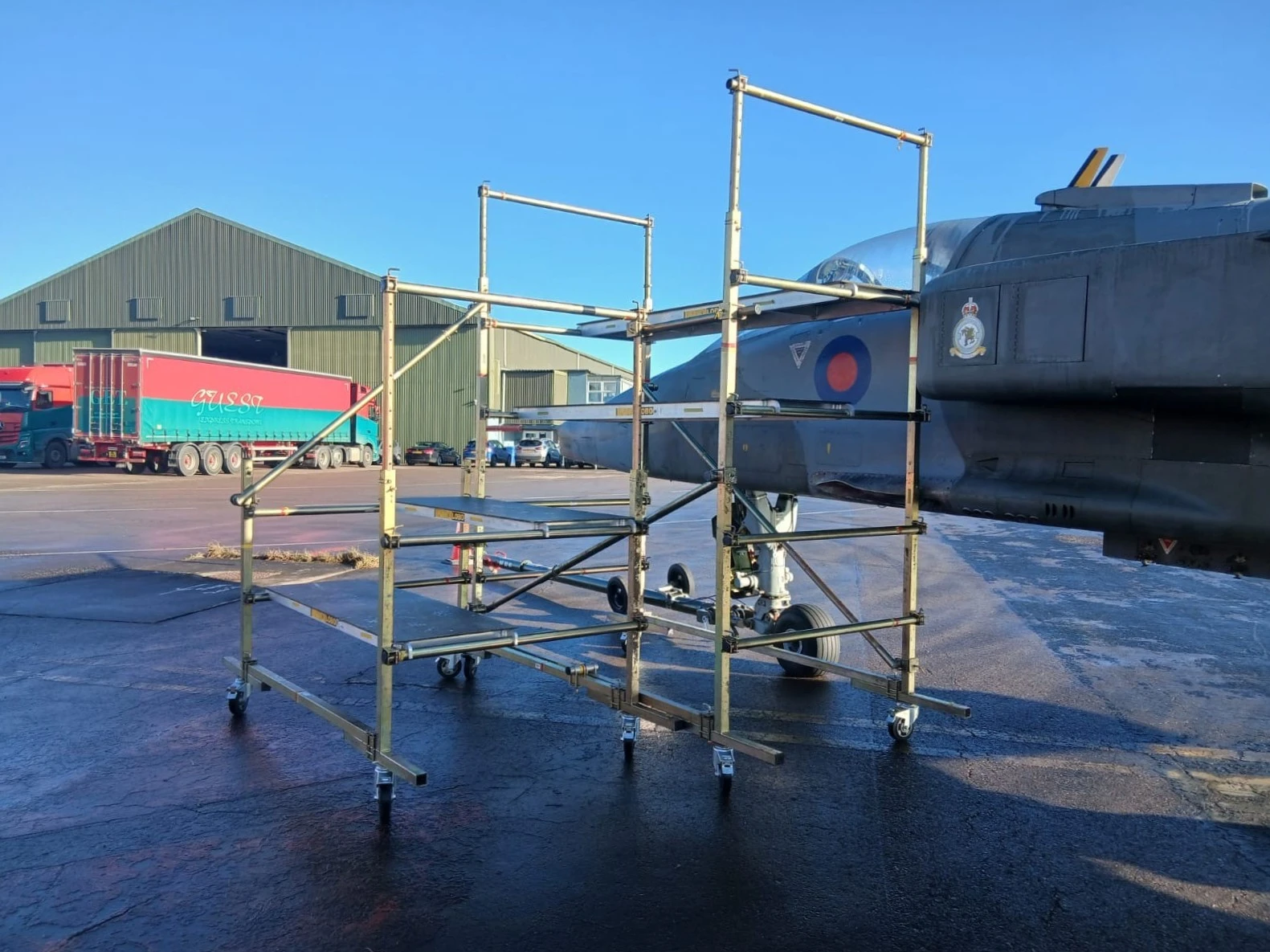
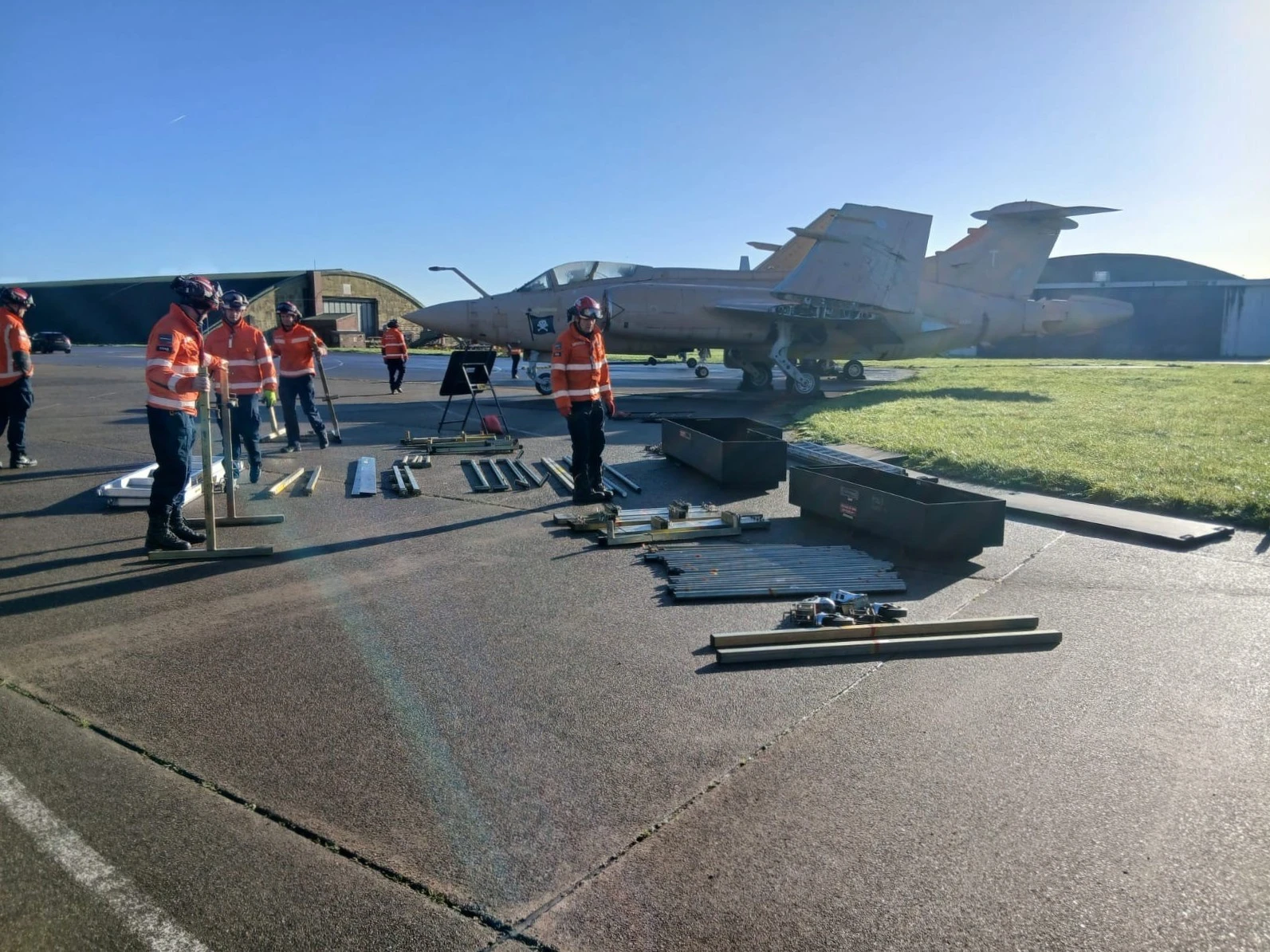
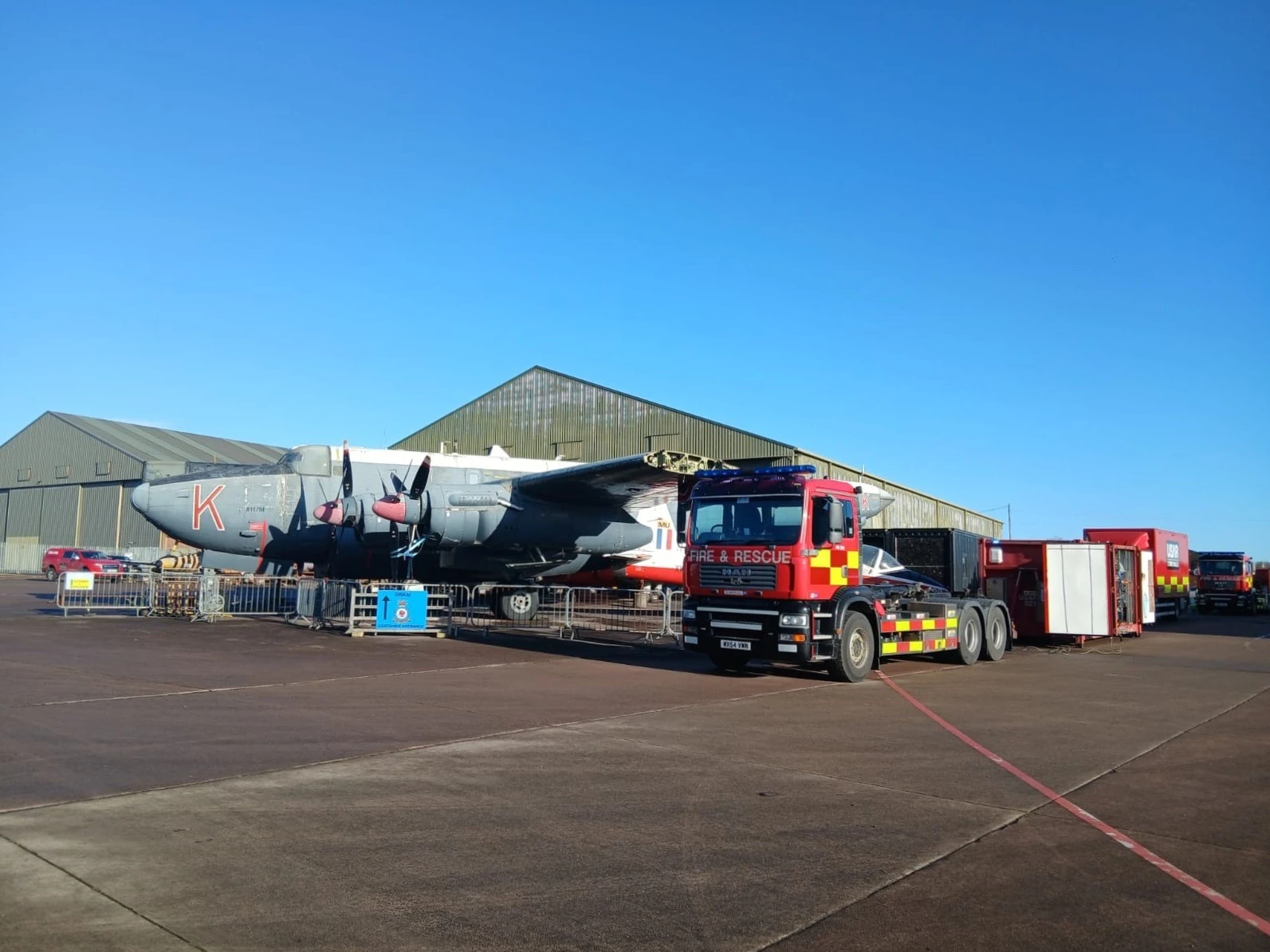
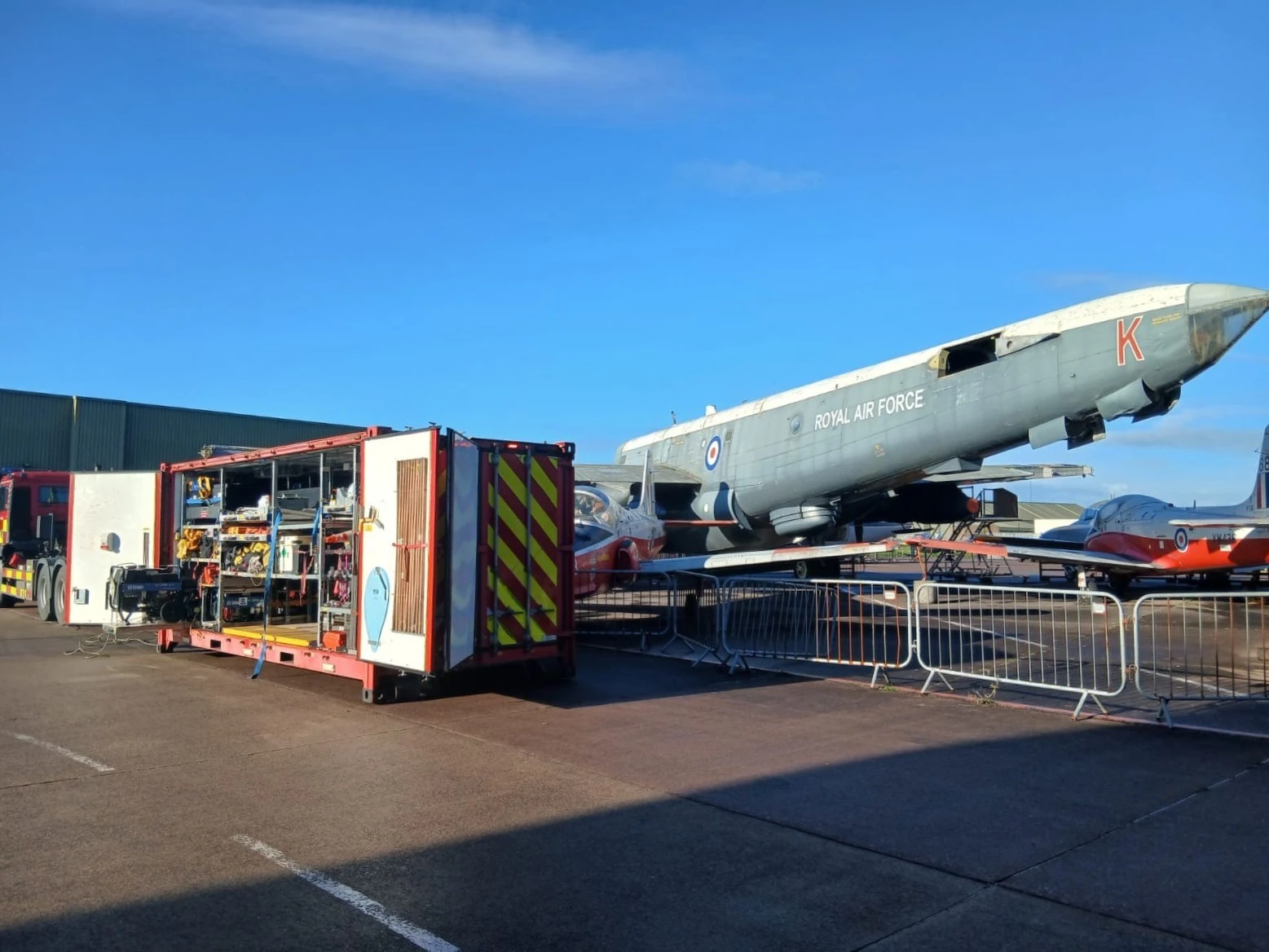
The unique training ground enabled fourteen USAR technicians to practice convoy procedures, initial site setup, and the deployment of Lobo Systems on both hard and soft ground around a range of aircraft - from small training jets such as the Gnat to larger platforms including the RAF Avro Shackleton, retired in 1991 after more than 40 years of service.
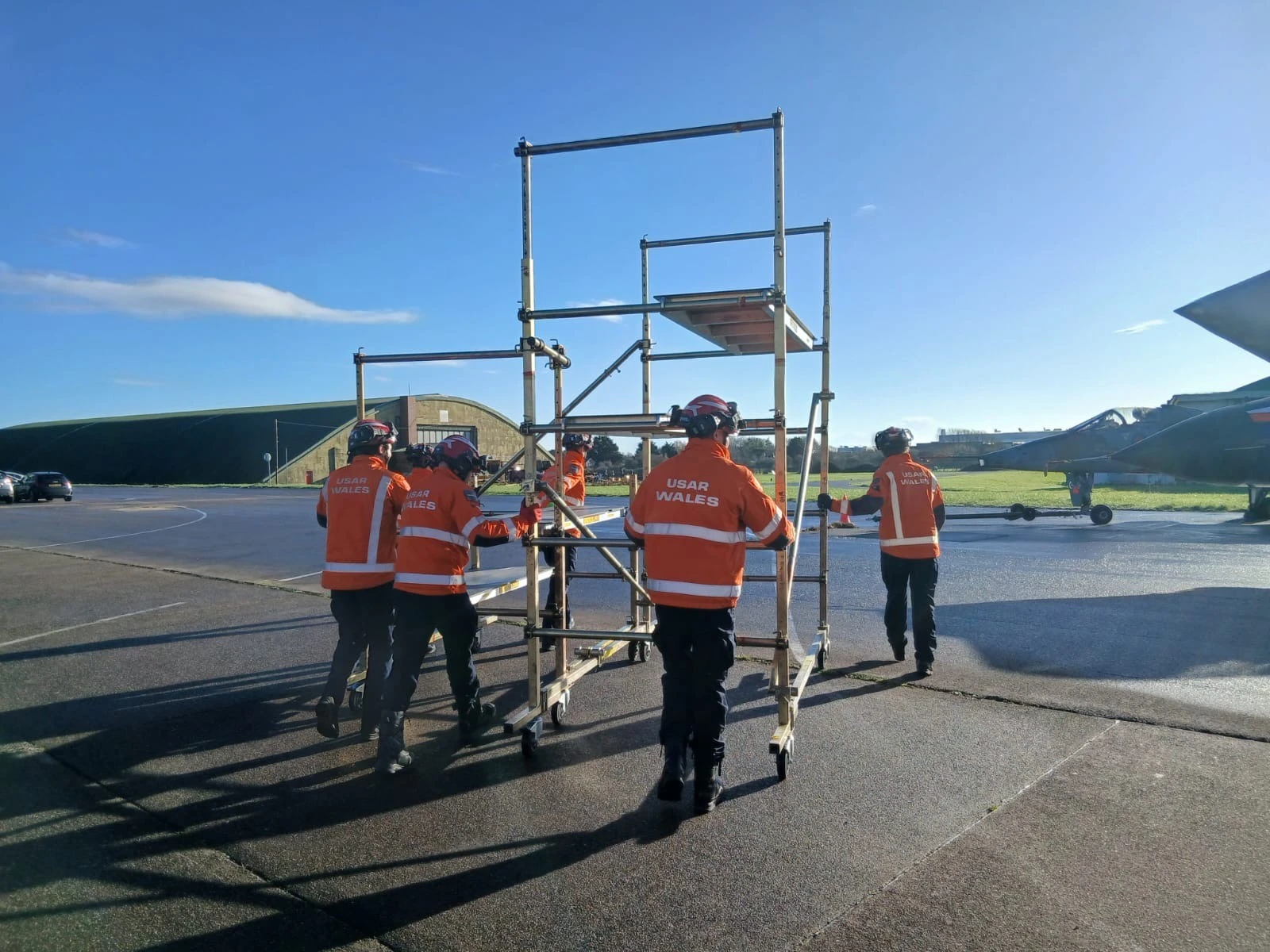
Lobo Systems, modular tower and access platforms, were central to the training and demonstrated their capability to provide secure working at height up to approximately six metres. Their adaptable design enables safe access routes and stable walkways, supporting technical recovery tasks while ensuring the preservation of critical evidence during post-incident investigations.
Wales USAR Capability Advisor SM Gareth Lewis said:
"We would like to express our sincere thanks to the South Wales Aviation Museum (SWAM) for hosting the Wales USAR Team.
The opportunity to train in such a unique and realistic environment, combined with the museum staff’s willingness to share their first-hand experience of incidents involving aircraft, has been invaluable.
Their knowledge and guidance enhance our preparedness and safety, and we are also deeply grateful for the warm welcome and genuine hospitality shown by everyone at SWAM throughout the day.”
The team continues to integrate specialist multi-agency training venues into its operational development, ensuring crews remain prepared to support local fire and rescue services should a real aircraft emergency occur.